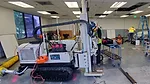
Chlorinated solvent usage at a former printing facility in Orange County, California (Figure 1) contaminated the soil, soil vapor, and groundwater with tetrachloroethene (PCE) and trichloroethene (TCE).
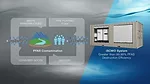
GA-EMS’ iSCWO system processes organic waste with water in an extremely high temperature (650F) and high pressure (4000 psi) environment to efficiently destroy both PFAS and other hazardous and non-hazardous waste.
There are more than 12,000 types of PFAS, not all of which can be detected with current tests; the U.S. Geological Survey study tested for the presence of 32 types.
At least 45% of the nation’s tap water is estimated to have one or more types of the chemicals known as per- and polyfluorinated alkyl substances, or PFAS, according to a new study by the U.S. Geological Survey.
Microbiology professor Mary Beth Leigh and the team found that planting grasses or adding fertilizer, or a combination of both, to a contaminated site had surprisingly persistent effects on the microbes associated with local vegetation.

 RSS
RSS





.webp?t=1681762595)