Webinar: Remediation Technology sits down with Brian Pinkard of Aquagga and Maureen Dooley of Regenesis to discuss options for destroying PFAS from AFFF firefighting foam.
Webinar: PFAS destruction products are increasingly commercially available, with technologies like Aquagga’s hydrothermal alkaline treatment, or HALT, and Regenesis’s PlumeStop, an in-situ colloidal activated carbon, or CAC.
Five of the compounds detected have never before been reported in groundwater anywhere in the world. They're not per and polyfluoroalkyl substances (PFAS).
Despite a massive focus on PFAS substances and pesticide residues in Danish drinking water, little attention is paid to the hundreds of other chemical compounds in our groundwater.
Metallophiles hold great potential in remediating sites of heavy metal contamination and can also be used in rare earth metal discovery, among other useful applications.
Understanding how microbes withstand exposure to heavy metal concentrations that are toxic to humans and other organisms is foundational to the development of effective bioremediation techniques.
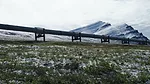
Near the industrial city Norilsk in northern Siberia in 2020, a destabilized storage tank released 17,000 metric tons of diesel. Incidents like this could "easily" become more frequent in the future as average global temperatures rise.
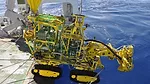
NGOs opposed to deep sea mining have successfully delayed the nascent industry, but after several regulatory advances, deep sea mining is set to go into commercial scale in international waters in 2024.
"They're saying, 'Hey, doctors, if you're treating patients who live in PFAS-contaminated areas, you need to do more for these patients,'" said Jamie DeWitt, an immunotoxicologist at East Carolina University.

 RSS
RSS









.webp?t=1681762595)