
Slideshow: Operators pump a sea of “produced water” underground for disposal. Intensifying tremors raise fears that the deep toxic waste pits could intermingle with water used for farming and drinking.
Injection of wastewater from fracking troubles David Shifflett, a farmer who irrigates his crops and draws his drinking water from the ground, which has started to heave and bulge in recent years.
The new data released by Bloomberg Philanthropies’ Beyond Petrochemicals Campaign underscores how planned expansion of the petrochemical industry will heighten risks across the U.S.
Today, in the wake of Congress’ first hearing on the train derailment in East Palestine, Ohio, Bloomberg Philanthropies’ Beyond Petrochemicals campaign released new data showing similar disasters are happening all over the United States.
Earth MRI is a partnership between the USGS and state geological surveys across America to modernize our understanding of the Nation’s fundamental geologic framework and knowledge of mineral resources.
The primary PFAS detected were disubstituted polyfluoroalkyl phosphates (diPAPs) -- compounds that can convert to more stable PFAS such as perfluorooctanoic acid, which is potentially carcinogenic.
The ingredients of CCA are the heavy metals copper, chromium and arsenic. They don’t decompose and can’t be destroyed like organic compounds by incineration.
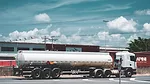
Trucks carry about twice as much hazardous materials as trains, but the number of reported incidents, including spills, injuries and evacuations, is far higher.
Less than two weeks after train cars filled with hazardous chemicals derailed in Ohio, a truck carrying nitric acid crashed on a major highway outside Tucson, Arizona.
The following white paper provides an abbreviated overview of two laboratory experiments and a fieldwork demonstration that showed evidence for the biodegradation of contaminants from CAC.
The colloidal activated carbon (CAC) technologies developed by REGENESIS, PetroFix and PlumeStop, are often paired with biostimulating electron acceptors or donors to destroy adsorbed contaminants.
The draft standards from the Government of Canada rely on EPA testing methods 533 or 537.1, but still apply to 'any' per- and polyfluoroalkyl substance.