Logo remediation technology
NEW DATES! NEW LOCATION
April 13 -15 2027
Donald E. Stephens Convention Center
Rosemont, IL
search
linkedin youtube
  • Create Account
  • Sign Out
  • My Account
NEW DATES! NEW LOCATION
April 13 -15 2027
Donald E. Stephens Convention Center
Rosemont, IL
Logo remediation technology
  • HOME
  • SUBMIT ABSTRACT
  • PROGRAM
    • Scientific Advisory Board
  • STUDENT PROGRAM
    • Student Program
    • Past Student Winners
  • ATTEND
    • Participating Companies
    • Photo Gallery
    • Why Attend The Summit
  • SPONSOR/EXHIBIT
    • Become a Sponsor or Exhibitor
    • Exhibit Floor Plan
  • TRAVEL
  • REGISTER
    • Registration Fees
  • CONTACT
    • Stay Connected
    • Newsletter
    • Show Staff

Remediation News

EPA Changes Approach to Leaking Underground Tanks in Midwest

The agency says more targeted testing helped close 10 leaking underground storage tank cases in Michigan and Minnesota while cutting investigation costs.
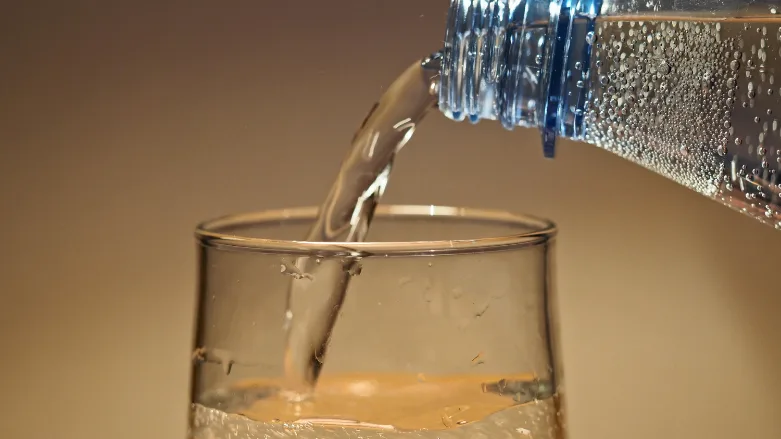
PFAsinWater.png
Image courtesy: Unsplash
September 29, 2026

The U.S. Environmental Protection Agency says a change in how it investigates leaking underground storage tanks is helping move contaminated sites toward closure faster, including several in Michigan.

EPA announced Sept. 24th that it addressed 10 leaking underground storage tank releases on Tribal lands in Michigan and Minnesota in 2026. It also removed a leaking tank in Wisconsin and says the work “saved taxpayers more than $550,000."

Nine of the closed releases were at four locations on Saginaw Chippewa territory near Mount Pleasant, Michigan. Another was at a gas station on Shakopee Mdewakanton Sioux territory near Prior Lake, Minnesota.

Underground storage tanks (USTs) are common at gas stations and other facilities that store gasoline, diesel and other regulated products below ground. EPA estimates there are about 542,000 nationwide. When a tank or its piping leaks, petroleum can contaminate surrounding soil and groundwater, potentially threatening nearby drinking water wells or creating vapor problems in buildings.

This change is how EPA is evaluating some of those sites.

What's the EPA's plan of attack?

In September 2025, the agency issued guidance aimed at streamlining investigations of petroleum UST releases. Instead of relying on a full site assessment in every case, the approach focuses testing on potential exposure pathways, including private drinking water wells and other places where people could come into contact with contamination.

EPA says the change can eliminate unnecessary testing while still determining whether contamination has moved offsite.

“EPA’s permitting reforms are cutting unnecessary testing, saving time and taxpayer dollars, and putting those resources back to work where they matter most,” EPA Regional Administrator Anne Vogel said. “That means faster site investigations, quicker tank removals when needed, and stronger protection for nearby properties through close coordination with Tribes.”

One Michigan project shows how that works in practice. In L’Anse, EPA worked with the Keweenaw Bay Indian Community to determine whether contamination from a former gas station had migrated toward Keweenaw Bay Ojibwa Community College across the street. EPA says testing determined the college was free from contamination, clearing the way for the Tribe to put the property into protected trust.

EPA is responsible for overseeing UST cleanup on Tribal lands and says it has identified more than 60 potentially leaking tanks across its Great Lakes region. Recently, crews discovered a nearly 100-year old gasoline tank in Harrison Township, Michigan. 

For groundwater and environmental contractors, the underlying job hasn't changed much: determine where a release went and whether it threatens people or water supplies.

EPA's newer approach puts more emphasis on answering those specific questions, particularly whether contamination has a pathway to drinking water wells or nearby properties, rather than automatically expanding the investigation across an entire site.

Will this approach work? 

It’s hard to say. The EPA juggles a variety of issues and many are afraid that this one will be swept under the rug after the smoke clears. 

This article was originally posted on www.thedriller.com.

Share This Story

Post a comment to this article

Report Abusive Comment

Manage My Account
  • eNewsletter
  • Online Registration
  • Manage My Preferences
  • Customer Service

More Videos

Related Articles

  • Harris County

    EPA begins groundwater contamination investigation in Spring Park, Republican senators call to eliminate chemical tax and more

    See More
  • Old rusted pipe selection

    EPA announces $2.9 billion project to eradicate lead-based piping still used today in drinking water.

    See More
  • Very contaminated water source

    Is $39 million enough to clean up PFAS contamination in Pennsylvania? The EPA thinks so.

    See More

Related Products

See More Products
  • Security Convergence

  • The Web Application Hacker's Handbook: Discovering and Exploiting Security Flaws

  • superfund.jpg

    Analyzing Superfund: Economics, Science and Law

See More Products

Events

View AllSubmit An Event
  • March 21, 2022

    Avoiding Mistakes When Protecting Critical Assets in Challenging Environments

    With the increased concern over terrorist threats and intrusions at critical infrastructure sites, installing and operating a reliable, flexible and compliant detection, surveillance, and control system has become imperative. The level of threat to critical infrastructures across the world is high, and these facilities are expected to remain vulnerable in the coming years. Budgets are tight across the board, so getting your security solution right the first time is crucial.
  • March 20, 2022

    Workplace Violence in the 21st Century: Lessons Learned and New Strategies

    iSecurity is now available On-Demand! All content, exhibitors, webinars and Ask the Expert sessions from both the March and August shows are available for viewing through March 1, 2011. 
View AllSubmit An Event

Related Directories

  • ePublishing

    It is a long established fact that a reader will be distracted by the readable content of a page when looking at its layout. The point of using Lorem Ipsum is that it has a more-or-less normal distribution of letters, as opposed to using 'Content here, content here', making it look like readable English. Many desktop publishing packages and web page editors now use Lorem Ipsum as their default model text, and a search for 'lorem ipsum' will uncover many web sites still in their infancy. Various versions have evolved over the years, sometimes by accident, sometimes on purpose (injected humour and the like).
  • Security Magazine

    It is a long established fact that a reader will be distracted by the readable content of a page when looking at its layout. The point of using Lorem Ipsum is that it has a more-or-less normal distribution of letters, as opposed to using 'Content here, content here', making it look like readable English. Many desktop publishing packages and web page editors now use Lorem Ipsum as their default model text, and a search for 'lorem ipsum' will uncover many web sites still in their infancy. Various versions have evolved over the years, sometimes by accident, sometimes on purpose (injected humour and the like).
  • Test Listing 1

    Lorem Ipsum L1 is simply dummy text of the printing and typesetting industry. Lorem Ipsum has been the industry's standard dummy text ever since the 1500s.
×

Get our newsletter delivered to your inbox!

Stay in the know on the latest environmental sciences & remediation news and information.

SUBSCRIBE TODAY

BNP Events

Privacy Policy | Terms & Conditions | Scam Warning

Copyright ©2026. All Rights Reserved BNP Media, Inc. and BNP Media II, LLC.
Design, CMS, Hosting & Web Development :: ePublishing