
Logo remediation technology
NEW DATES! NEW LOCATION
April 13 -15 2027
Donald E. Stephens Convention Center
Rosemont, IL
search
linkedin youtube
  • Create Account
  • Sign Out
  • My Account
NEW DATES! NEW LOCATION
April 13 -15 2027
Donald E. Stephens Convention Center
Rosemont, IL
Logo remediation technology
  • HOME
  • ATTEND
    • Why Attend The Summit
    • Attended Companies
    • Photo Gallery
  • PRESENTERS
    • Scientific Advisory Board
  • STUDENTS
    • Student Program
    • Past Student Winners
  • TRAVEL
  • NEWSLETTERS
  • CONTACT
    • Stay Connected
    • Show Staff

EPA announces $2.9 billion project to eradicate lead-based piping still used today in drinking water.

States will use funds to remediate the longstanding toxic infrastructure

Old rusted pipe selection
Rusted pipe
May 28, 2026

The EPA is sending nearly $2.9 billion to states to help identify and replace lead service lines, aging pipes that still deliver drinking water to millions of homes across the U.S.

The funding will move through the Drinking Water State Revolving Fund, a federal financing program that helps states and local utilities pay for drinking water infrastructure projects. 

According to the EPA, the money can be used to locate lead pipes, plan replacement projects, and fully remove and replace lead service lines.

The agency said the funding is intended to reduce exposure to lead, especially among children, who face the greatest risk from the long-term health and developmental effects linked to contamination.

The announcement also highlights the size of the challenge. EPA estimates that about 4 million lead service lines are still in use nationwide, making replacement efforts one of the federal government’s largest ongoing drinking water and infrastructure initiatives.
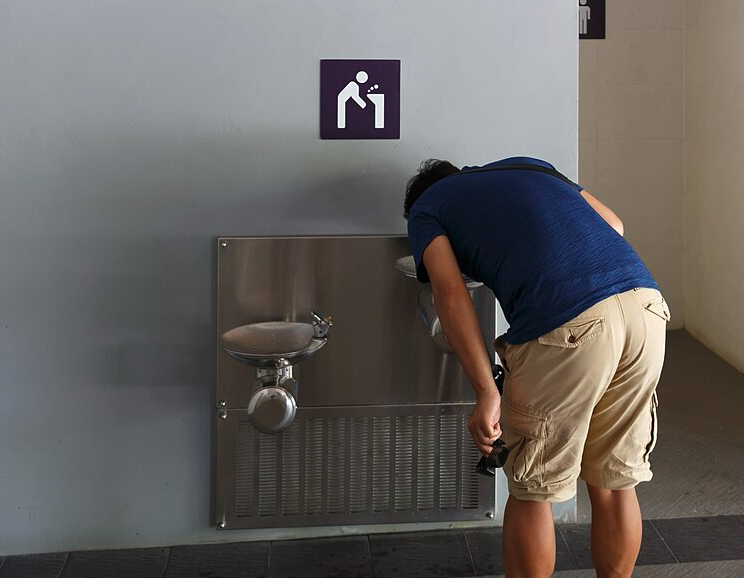
Man drinking water at fountain.


Lead pipe replacement has also become one of the few infrastructure issues with broad bipartisan backing. Because it is tied directly to public health and drinking water safety, the issue affects communities across the political spectrum, from older cities to small rural towns with aging water systems.

The funding announcement also comes as lawmakers and utilities continue debating the pace and cost of major infrastructure upgrades, along with the federal government’s role in helping pay for them. One of the biggest hurdles has been simply identifying where lead service lines are located, particularly in older cities where records are incomplete or outdated.

There are also ongoing questions about whether current funding levels will be enough to fully replace the nation’s remaining lead pipes. Although recent federal infrastructure packages have directed billions toward the effort, many utilities and water advocates say the total cost could end up far exceeding current estimates.

In addition to the new funding, the EPA said it will redistribute another $18 million in previously unused lead pipe replacement money to states with eligible projects and remaining needs.

The issue also reflects broader concerns about the condition of aging infrastructure in the U.S. and the difficulty of upgrading systems that most people rarely think about until something goes wrong.

Possible sources for additional reporting include state environmental and public health agencies overseeing lead service line replacement programs, along with water utility associations and municipal infrastructure officials managing local projects. Pediatricians and public health researchers can provide insight into the long-term effects of childhood lead exposure, while environmental justice organizations may offer a perspective on how older urban communities are disproportionately affected by lead contamination. 

Civil engineers and drinking water infrastructure experts can also help explain the technical and financial challenges tied to replacement timelines and overall project costs. 

As replacement efforts continue nationwide, the issue is likely to remain at the center of broader conversations about infrastructure investment, public health, and the long-term cost of maintaining aging water systems across the country.


This article was originally posted on www.thedriller.com.

Share This Story

Post a comment to this article

Report Abusive Comment

Manage My Account
  • eNewsletter
  • Online Registration
  • Manage My Preferences
  • Customer Service

More Videos

Related Articles

  • Water Filter

    MIT Researchers Unveil Silk-Based Filter to Combat "Forever Chemicals" in Drinking Water

    See More
  • Water-PFAS

    Communities of color disproportionately exposed to PFAS pollution in drinking water

    See More
  • Cancer treatment

    Study Reveals 'Forever Chemicals' in Drinking Water Linked to Rare Cancers

    See More

Related Products

See More Products
  • enviro engineering.jpg

    Environmental Engineering: Water, Wastewater, Soil and Groundwater Treatment and Remediation, 6th Edition

  • Security Convergence

  • The Web Application Hacker's Handbook: Discovering and Exploiting Security Flaws

See More Products

Events

View AllSubmit An Event
  • March 30, 2022

    Managing a Re-badging Project: A Recipe for Success

    Whether you are going through a major re-badging project due to an acquisition, refreshed corporate branding or migration to new technology, you will certainly face challenges and important decisions.
  • March 21, 2022

    Avoiding Mistakes When Protecting Critical Assets in Challenging Environments

    With the increased concern over terrorist threats and intrusions at critical infrastructure sites, installing and operating a reliable, flexible and compliant detection, surveillance, and control system has become imperative. The level of threat to critical infrastructures across the world is high, and these facilities are expected to remain vulnerable in the coming years. Budgets are tight across the board, so getting your security solution right the first time is crucial.
View AllSubmit An Event

Related Directories

  • ePublishing

    It is a long established fact that a reader will be distracted by the readable content of a page when looking at its layout. The point of using Lorem Ipsum is that it has a more-or-less normal distribution of letters, as opposed to using 'Content here, content here', making it look like readable English. Many desktop publishing packages and web page editors now use Lorem Ipsum as their default model text, and a search for 'lorem ipsum' will uncover many web sites still in their infancy. Various versions have evolved over the years, sometimes by accident, sometimes on purpose (injected humour and the like).
  • Security Magazine

    It is a long established fact that a reader will be distracted by the readable content of a page when looking at its layout. The point of using Lorem Ipsum is that it has a more-or-less normal distribution of letters, as opposed to using 'Content here, content here', making it look like readable English. Many desktop publishing packages and web page editors now use Lorem Ipsum as their default model text, and a search for 'lorem ipsum' will uncover many web sites still in their infancy. Various versions have evolved over the years, sometimes by accident, sometimes on purpose (injected humour and the like).
  • Test Listing 1 - Dup 9

    Lorem Ipsum L1 is simply dummy text of the printing and typesetting industry. Lorem Ipsum has been the industry's standard dummy text ever since the 1500s.
×

Get our eNewsletter delivered to your inbox!

Stay in the know on the latest environmental sciences & remediation news and information.

SUBSCRIBE TODAY

BNP Events

Privacy Policy | Code of Conduct | Scam Warning

Copyright ©2026. All Rights Reserved BNP Media, Inc. and BNP Media II, LLC.
Design, CMS, Hosting & Web Development :: ePublishing