Water policy
EPA releases new checklist aimed at catching drinking water issues earlier
EPA officials say the move is intended to help the agency and state regulators work together to assess water systems and protect drinking water.

The U.S. Environmental Protection Agency has released a new checklist designed to help states identify problems in public drinking water systems before they turn into larger concerns.
Released mid-August, the voluntary guidance focuses on what the EPA calls “systemic issues.” These are problems that may not immediately disrupt water service but could eventually lead to equipment failures, service interruptions or public health concerns if left unresolved. Examples include water sources approaching capacity, malfunctioning treatment equipment and frequent water main breaks.
The idea is straightforward: spotting these warning signs early could give states and water utilities more time to address them before they become more serious or expensive.
“Public Water Systems provide essential clean and safe drinking water that their residents, schools, hospitals, businesses, commercial centers, and industry rely on,” said Jess Kramer, the EPA's assistant administrator for water.
Kramer said the new checklist is intended to help the EPA and state regulators work together to assess water systems and protect drinking water.
The guidance is also part of the Trump administration’s Powering the Great American Comeback Initiative, which the EPA says includes efforts to strengthen drinking water systems while supporting states in their role as co-regulators under the Safe Drinking Water Act.

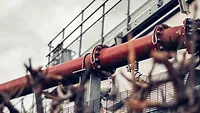
Courtesy: Jakub Zerdzicki / Pexels
Catching Problems During Routine Inspections
The checklist is designed to work alongside inspections known as sanitary surveys.
States already use these routine assessments to examine public water systems and identify potential problems. Rather than creating a separate inspection process, the EPA says the checklist is intended to supplement programs states already have in place.
The guidance is voluntary, so states are encouraged (but not required) to use it.
During a sanitary survey, inspectors may find issues that do not represent an immediate emergency but could become more serious over time. Frequent water main breaks, for example, could point to aging infrastructure. A water source nearing capacity could create problems as demand increases.
The EPA wants states to document and track these concerns so they can be addressed before drinking water service is put at risk.
The approach makes sense in principle, but identifying problems is only the first step. The checklist itself cannot replace failing equipment or repair aging water mains. Its effectiveness will depend on how states use it and whether utilities have the funding, staff and technical resources to respond.
States Back the New Resource
The Association of State Drinking Water Administrators, or ASDWA, worked with states and the EPA on the checklist.
Anthony DeRosa, the association's executive director, called it a practical resource that could help states and water systems address problems before they threaten reliable service or public health.
DeRosa also said the guidance could strengthen sanitary survey programs and help water utilities improve their long-term resilience.
Still, the EPA announcement does not estimate how many water systems currently have unresolved systemic problems or how many issues the checklist could help identify. It also does not provide specific measures for determining whether the guidance ultimately reduces service disruptions or drinking water problems.
Even when a problem is identified, fixing it can be expensive. The EPA pointed to existing federal programs that can help communities address infrastructure and funding needs.
One is Real Water TA, which provides technical assistance to communities and water systems dealing with infrastructure challenges or looking for funding.
The EPA also highlighted the Drinking Water State Revolving Fund. According to the agency, more than $6.5 billion in funding for states was announced through the program this year. States use the program to provide financial assistance for drinking water projects.

Image via Sirirak from Getty Images
Another option is the Water Infrastructure Finance and Innovation Act, or WIFIA, loan program. The EPA says approximately $11 billion in financing is available for water infrastructure projects nationwide. For qualifying small and rural communities, WIFIA can finance up to 80% of eligible project costs.
Those programs provide potential ways to address problems found during inspections, but funding availability does not mean every utility will be able to make repairs quickly. Water infrastructure projects can require substantial planning, money and technical expertise.
Ultimately, the Systemic Issues Checklist is a preventive tool rather than a new regulatory program.
Instead of waiting for equipment to fail or a water system to experience a serious disruption, the EPA wants states to pay closer attention to warning signs found during routine inspections and continue tracking them afterward.
That could help bring more attention to problems that develop slowly and might otherwise be overlooked.
But the real test will be what happens after those problems are identified. Documenting aging equipment or repeated water main breaks is useful, but correcting them may require years of investment and planning.
The checklist gives states another way to spot and track potential trouble. Whether it leads to more reliable drinking water systems will depend largely on whether utilities have the resources to act on what those inspections uncover.