‘PFAS OUT’ Initiative Aims to Tackle Drinking Water Contamination Early
New outreach effort targets thousands of water systems with known PFAS challenges ahead of federal compliance deadlines
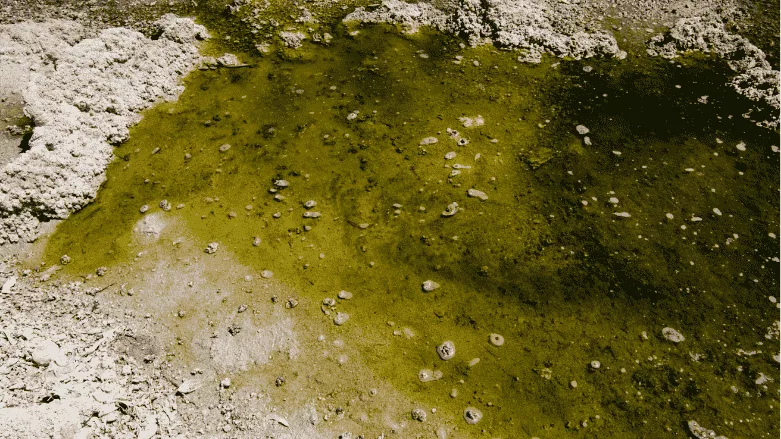
EPA plans to rework roughly 3,000 drinking water systems nationwide.
The U.S. Environmental Protection Agency is rolling out a new initiative aimed at getting ahead of one of the most persistent water quality issues in the country: PFAS contamination.
Announced April 14, the program—called PFAS OUT—focuses on helping drinking water systems proactively reduce exposure to two of the most studied PFAS compounds, PFOA and PFOS, before federal compliance deadlines take effect. Rather than waiting for regulatory timelines to force action, the agency is encouraging systems to start addressing contamination now with added support.
PFAS, often referred to as “forever chemicals,” are widely used in industrial and consumer products and are known for their persistence in the environment and the human body. Over the past several years, they’ve become a central concern for regulators and water utilities, particularly as more testing reveals their presence in drinking water supplies across the country.
The PFAS OUT initiative is designed as an outreach and support program rather than a regulatory change. Its primary goal is to connect water systems with resources—funding opportunities, technical assistance, and practical guidance—that can help them begin mitigation efforts earlier.
At the center of the effort is direct engagement. EPA plans to work with roughly 3,000 drinking water systems nationwide that are known to have challenges with PFOA and PFOS. While that represents a relatively small percentage of total systems, it targets those most immediately affected.
For those systems, the support will include access to webinars, location-specific information, and guidance on navigating available funding and technical assistance programs. The initiative also ties into EPA’s broader technical assistance efforts, including Real Water Technical Assistance, which provides hands-on support for water systems dealing with operational and compliance challenges.
One of the key drivers behind PFAS OUT is the recognition that not all systems are equally equipped to handle contamination issues. Smaller, rural, and disadvantaged communities often face the steepest hurdles, from limited staffing to constrained budgets. Addressing PFAS contamination can involve complex treatment upgrades, testing protocols, and long-term planning—requirements that can strain already limited resources.
By focusing on early outreach, EPA is attempting to reduce that burden. The idea is to give systems more time and support to plan, secure funding, and implement solutions before regulatory requirements come into full effect.
The initiative also reflects a broader strategy of working collaboratively with states and local partners. Rather than relying solely on enforcement, EPA is emphasizing coordination and shared responsibility in tackling contamination challenges.
PFAS OUT is part of a larger set of actions the agency has taken in recent weeks related to drinking water safety. Earlier in April, EPA released a draft update to its Contaminant Candidate List under the Safe Drinking Water Act. The list identifies emerging contaminants that may require future regulation and helps guide research and funding priorities.
The latest draft, known as the Sixth Contaminant Candidate List, includes several broad categories of concern: PFAS compounds, microplastics, pharmaceuticals, and disinfection byproducts. It also identifies dozens of specific chemicals and microbial contaminants that could be present in public water systems.
Together, these efforts signal continued federal attention on both known and emerging threats to drinking water. While PFAS remains a high-profile issue, it is part of a broader landscape of contaminants that utilities are increasingly expected to monitor and address.
The PFAS OUT initiative does not change existing regulations, but it may influence how quickly systems move to comply with them. By encouraging earlier action and providing additional support, EPA is aiming to reduce exposure risks sooner rather than later.
PFAS contamination isn’t a future problem—it’s already affecting thousands of water systems. The challenge is that fixing it can take years and significant investment.
By pushing systems to act early and offering support upfront, this initiative could shorten the timeline between detection and treatment. That’s especially important for smaller communities, where delays often come down to limited resources rather than lack of awareness.